Professional audiovisual & event production services
Brodrick Archie • May 11, 2026
How Strong Creative Direction Shapes Successful Events from Day One
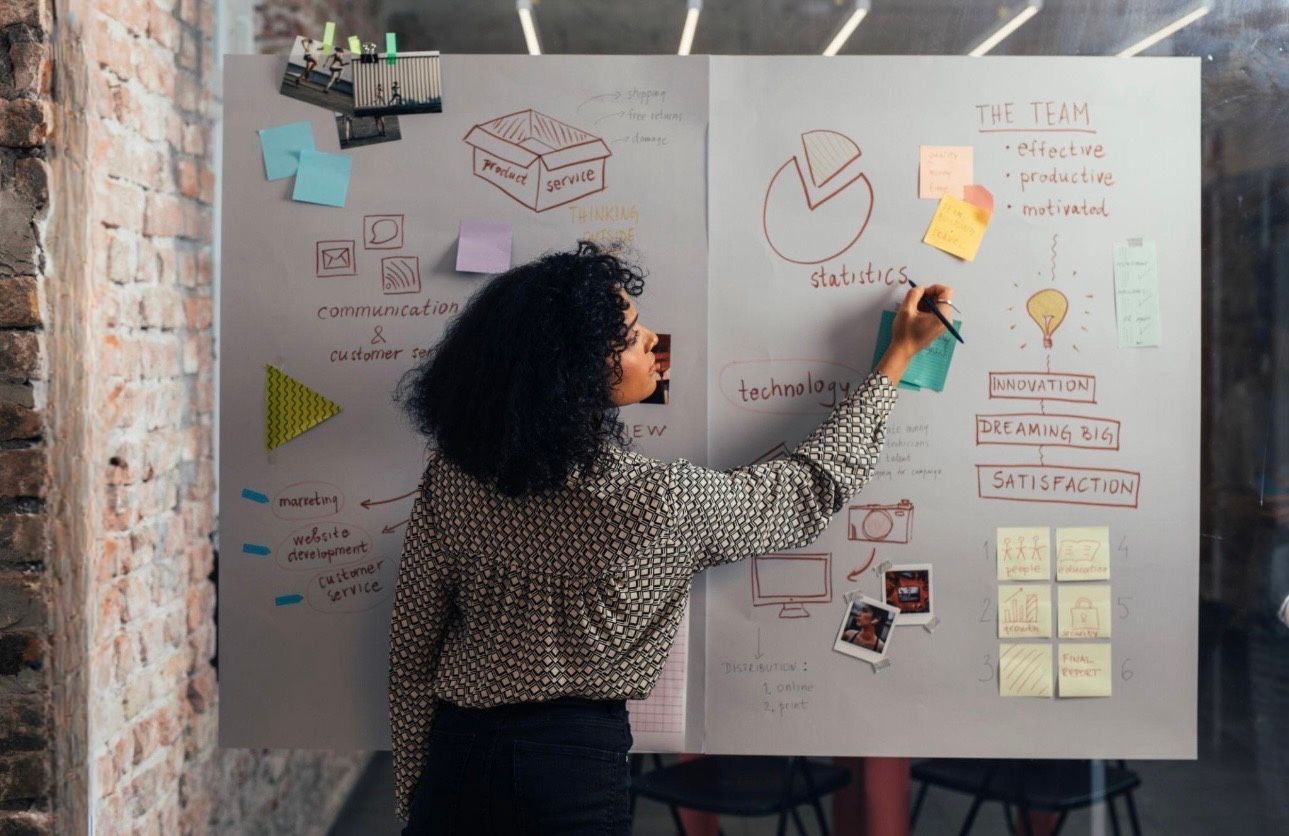
Event planning professionals, corporate teams, and nonprofit organizers all face the same core challenge: how do you turn an idea into an experience people will remember? The answer begins with creative direction. Strong creative direction shapes successful events from the very beginning by aligning theme, visuals, production, and atmosphere under one clear vision.
When creative direction is defined early, every decision—big or small—supports a cohesive outcome rather than competing for attention.
A Quick Overview Before You Dive In
- Memorable events start with a clearly defined vision.
- Creative direction connects theme, visuals, lighting, staging, and atmosphere into one unified story.
- Production elements (sound, lighting, displays) amplify—not replace—the core concept.
- Early visual planning tools help align teams before money is spent on execution.
- Consistency across details transforms a gathering into an experience.
The Problem: Disconnected Events Feel Forgettable
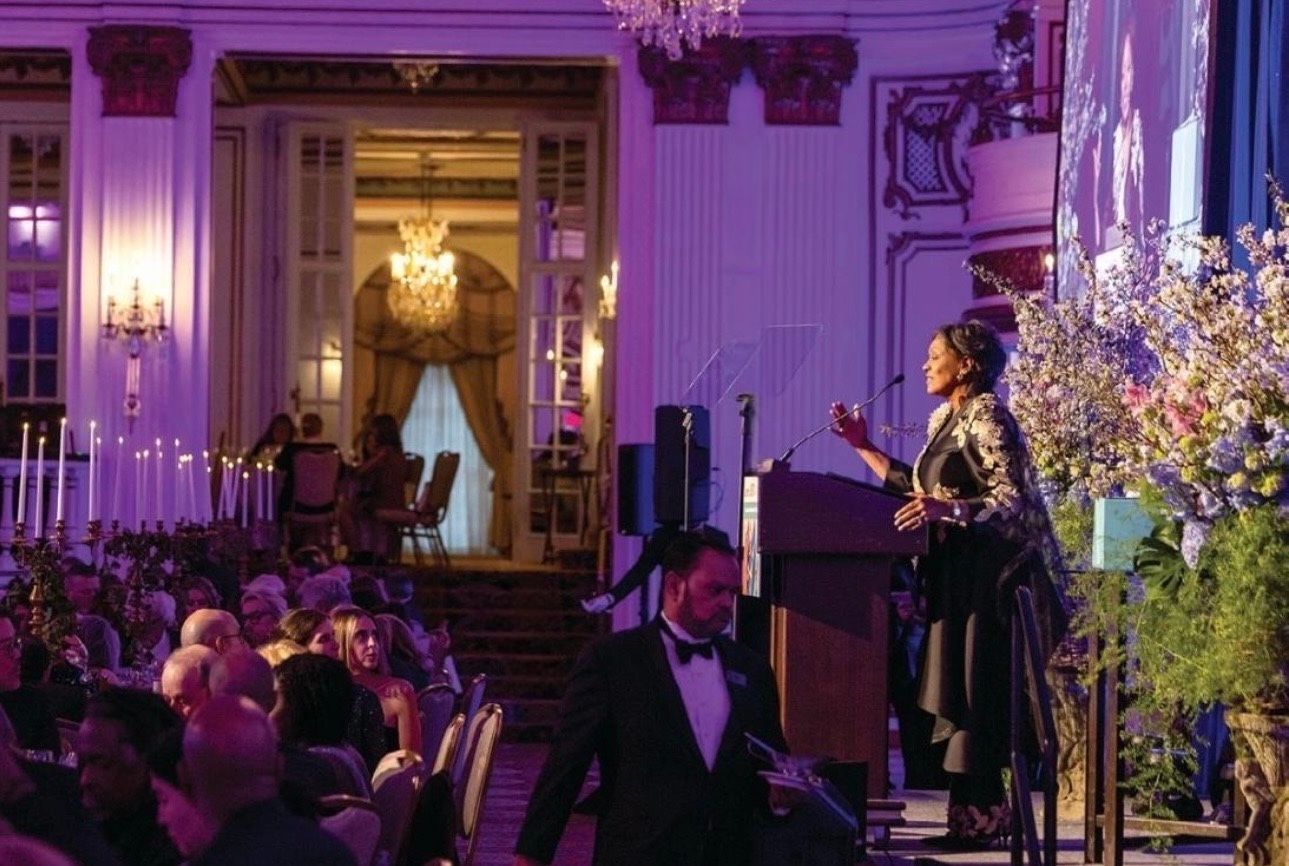
Many large events fall flat not because of budget limitations, but because of fragmentation. One team chooses décor. Another books entertainment. A third handles staging. Without a central creative vision, the result can feel disjointed.
Guests may not consciously notice inconsistencies, but they feel them. The lighting doesn’t match the mood. The stage design clashes with the theme. The messaging feels generic.
That’s the problem.
The Solution: Creative Direction as the North Star
Creative direction defines the emotional and visual experience before logistics take over. It answers questions like:
- What should guests feel when they enter the space?
- What story does this event tell?
- What aesthetic language supports that story?
- How should lighting, sound, and staging reinforce the atmosphere?
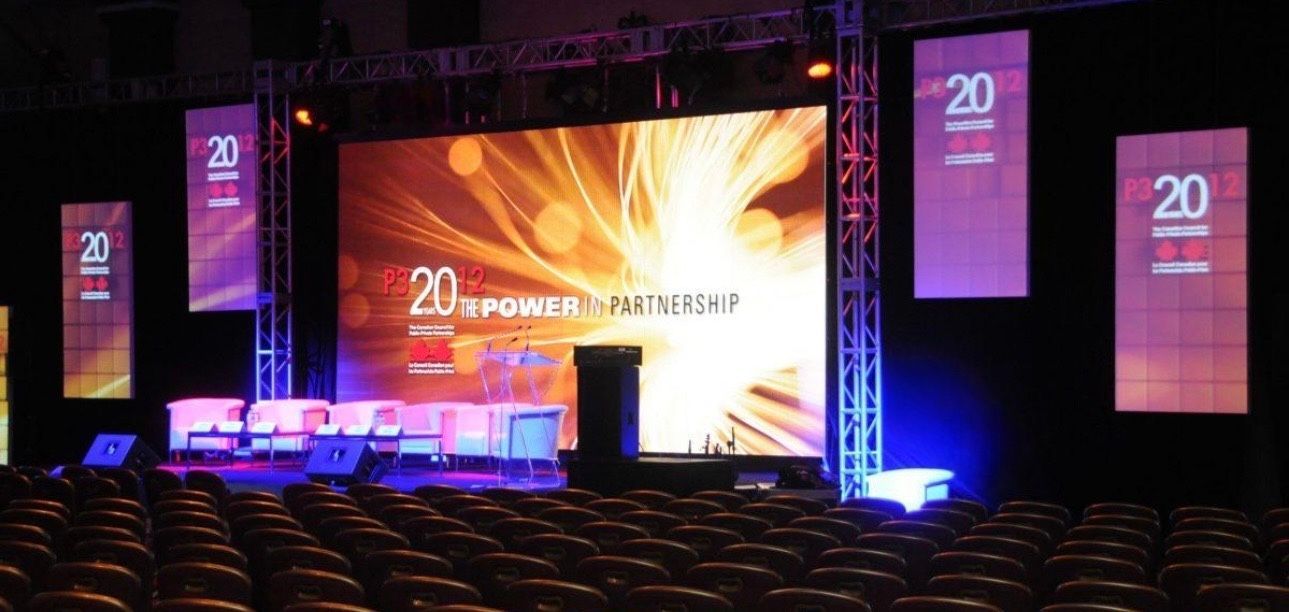
When these answers are clear from the outset, production becomes intentional rather than reactive.
How Core Elements Work Together
Creative direction isn’t just about picking a theme. It’s about orchestrating multiple components so they speak the same language.
Key Elements That Shape the Experience
- Theme: The conceptual backbone that defines tone and message.
- Visual Identity: Color palette, typography, textures, graphics, and branding.
- Lighting Design: Mood-setting through intensity, color, and movement.
- Staging: Physical layout that supports visibility, energy flow, and engagement.
- Atmosphere:
The combined sensory experience—music, scent, pace, and transitions.
When aligned, these components create immersion. Guests don’t just attend the event; they step into a curated environment.
How to Build Creative Direction from the Start
Below is a practical checklist for teams planning a large event:
Creative Direction Planning Checklist
- Define the core objective. Is the goal to inspire, educate, celebrate, or persuade?
- Clarify audience expectations. What emotional takeaway do you want them to have?
- Develop a central theme statement. One sentence that captures the event’s essence.
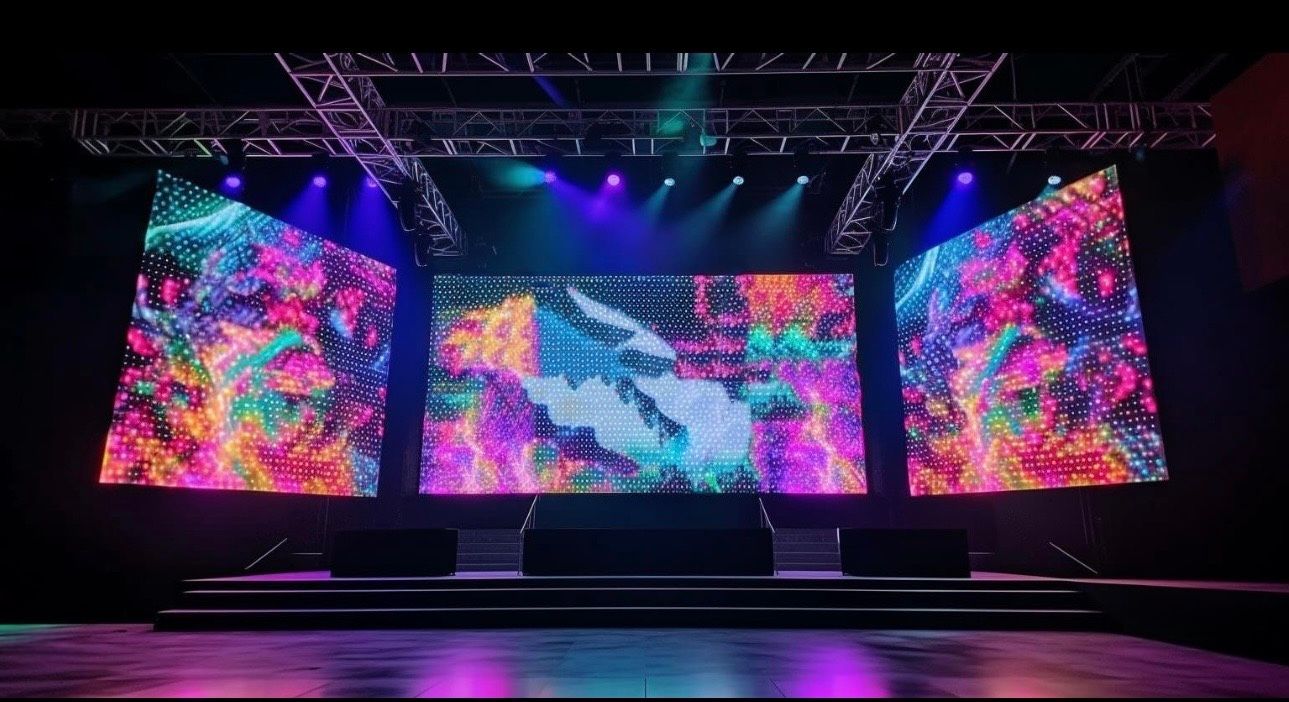
- Create a visual mood board. Include colors, textures, lighting references, and stage concepts.
- Align all vendors to the vision. Share the creative brief before production decisions are finalized.
- Audit every detail against the vision.
If it doesn’t reinforce the concept, reconsider it.
This approach prevents creative drift and keeps the experience cohesive from planning through execution.
Early Concept Development and Visual Alignment
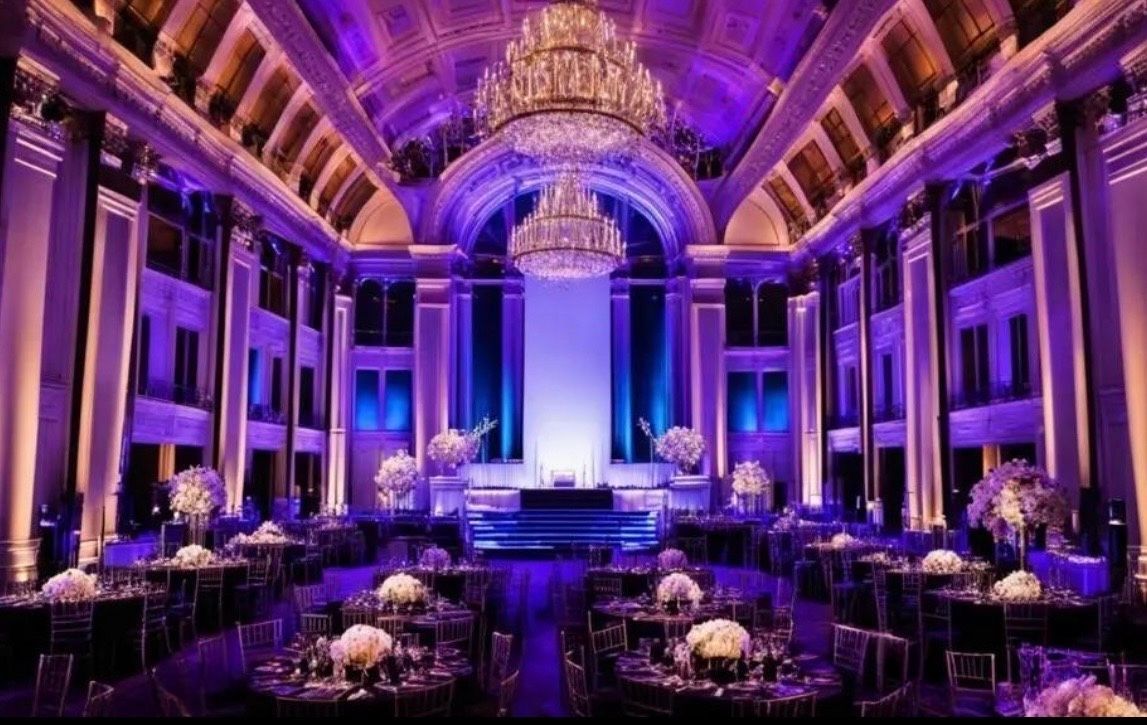
Establishing a visual concept early in the planning process helps teams and clients stay aligned before production begins. Mood boards, concept sketches, and curated visual references make abstract ideas tangible. They allow everyone involved to see the direction rather than interpret it differently.
Some planners also use digital tools to explore creative possibilities quickly. For example, tools like Adobe Firefly's text-to-image generator can help visualize potential stage designs, thematic environments, or lighting moods during early development. By generating concept imagery, teams can experiment with variations before committing to physical builds.
When the visual language is clear from the beginning, revisions decrease and execution becomes smoother.
The Role of Event Production in Bringing Vision to Life
Creative direction sets the blueprint—but event production makes it real.
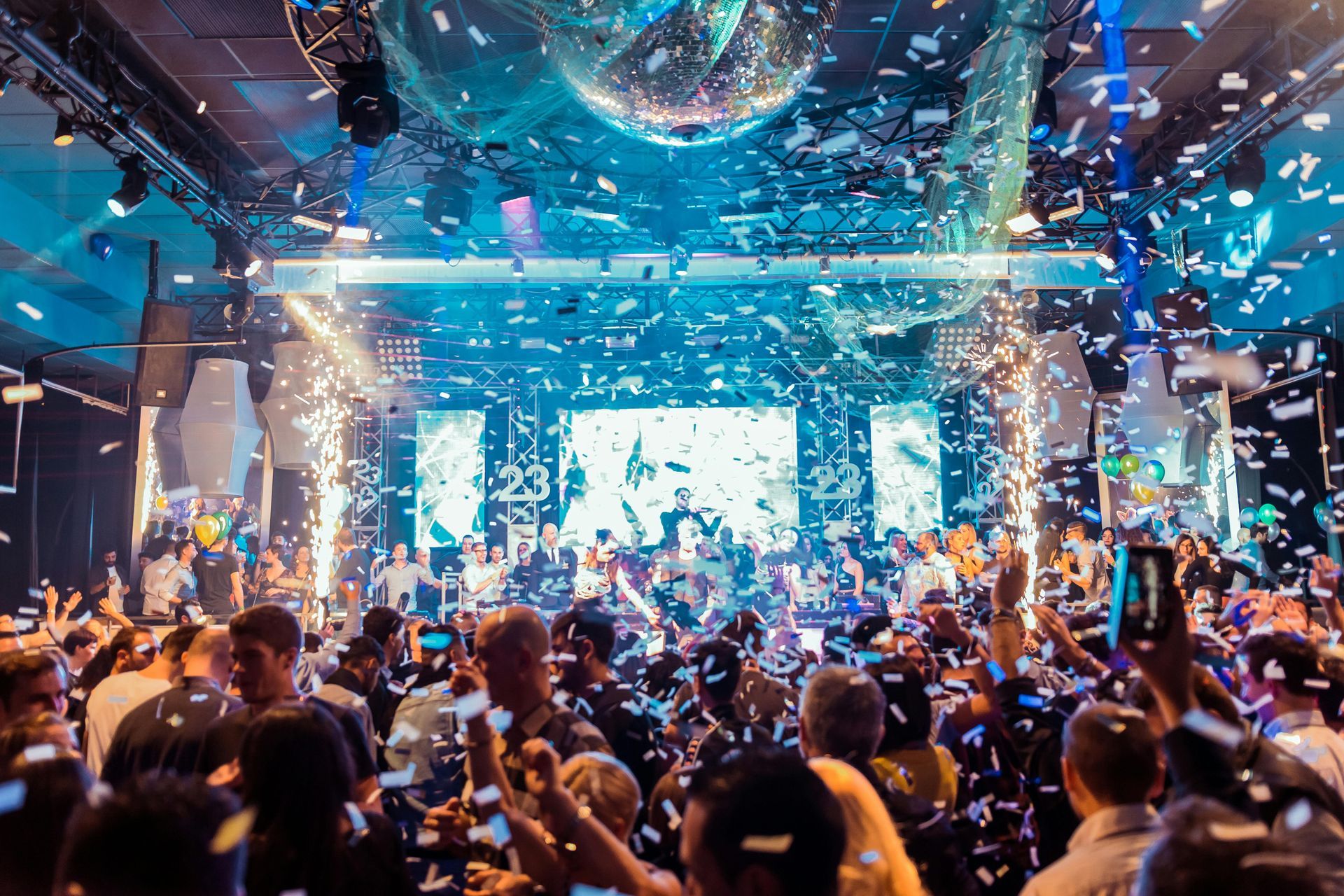
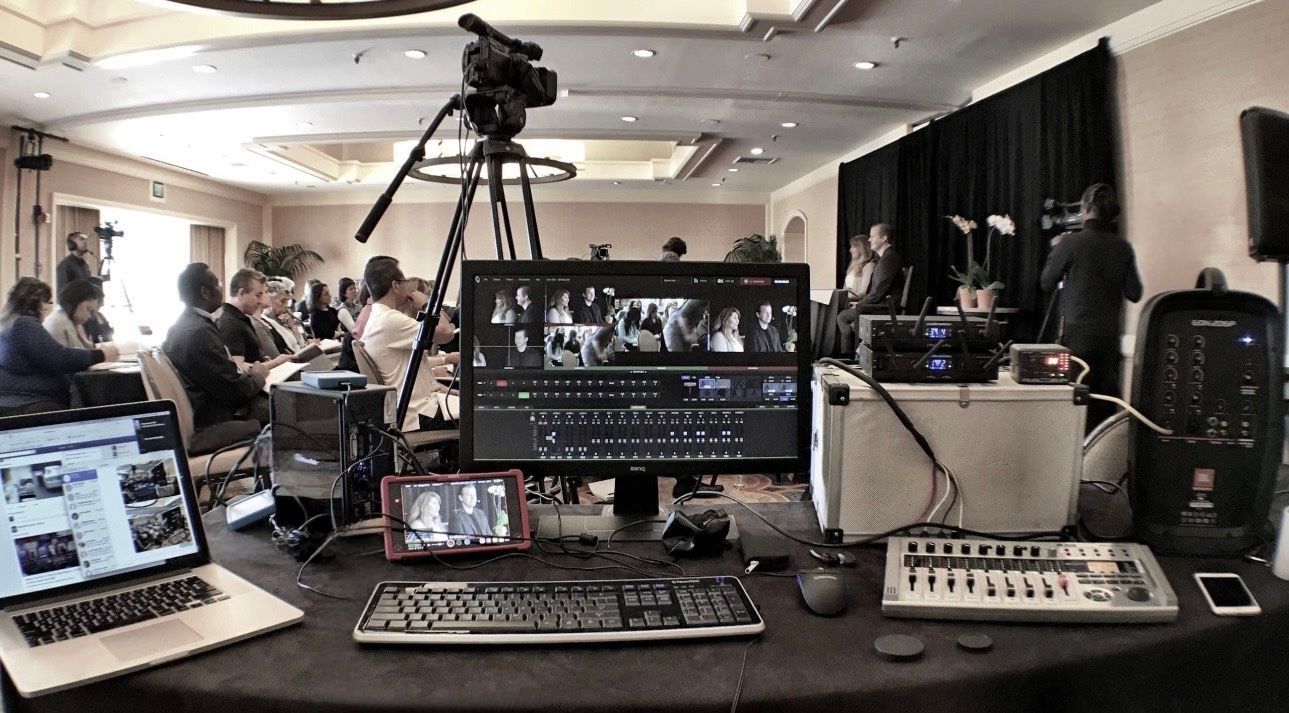
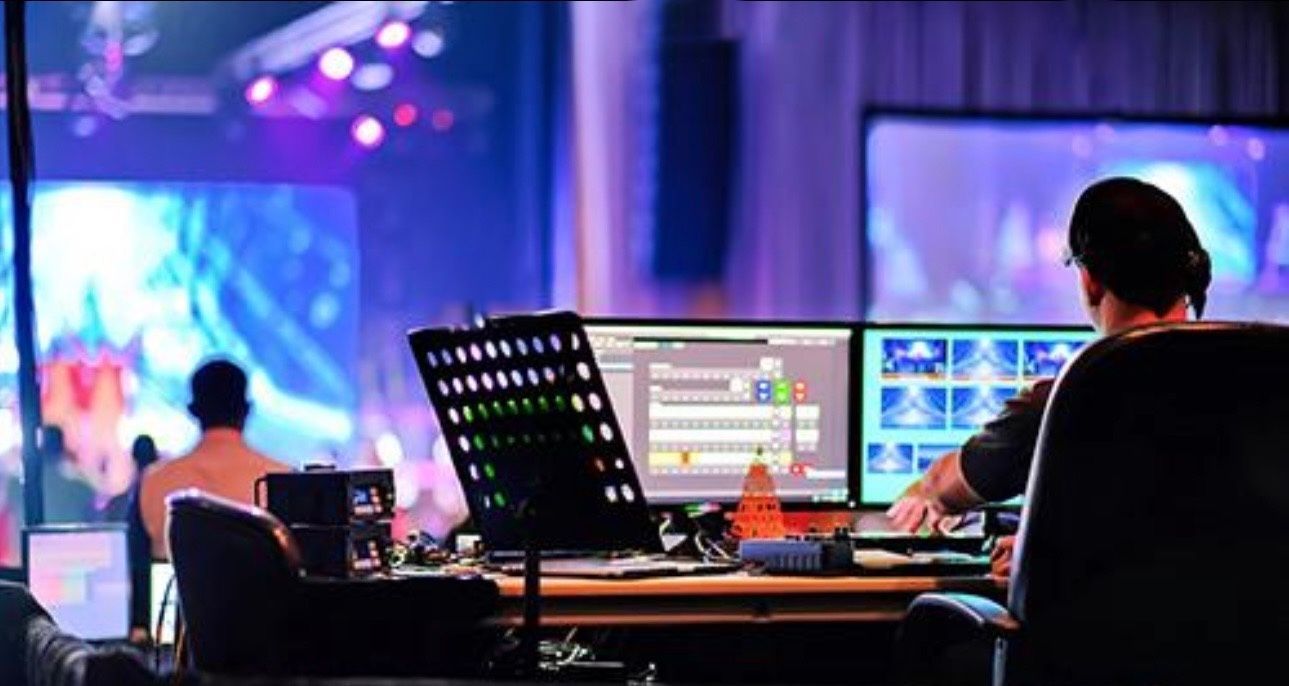
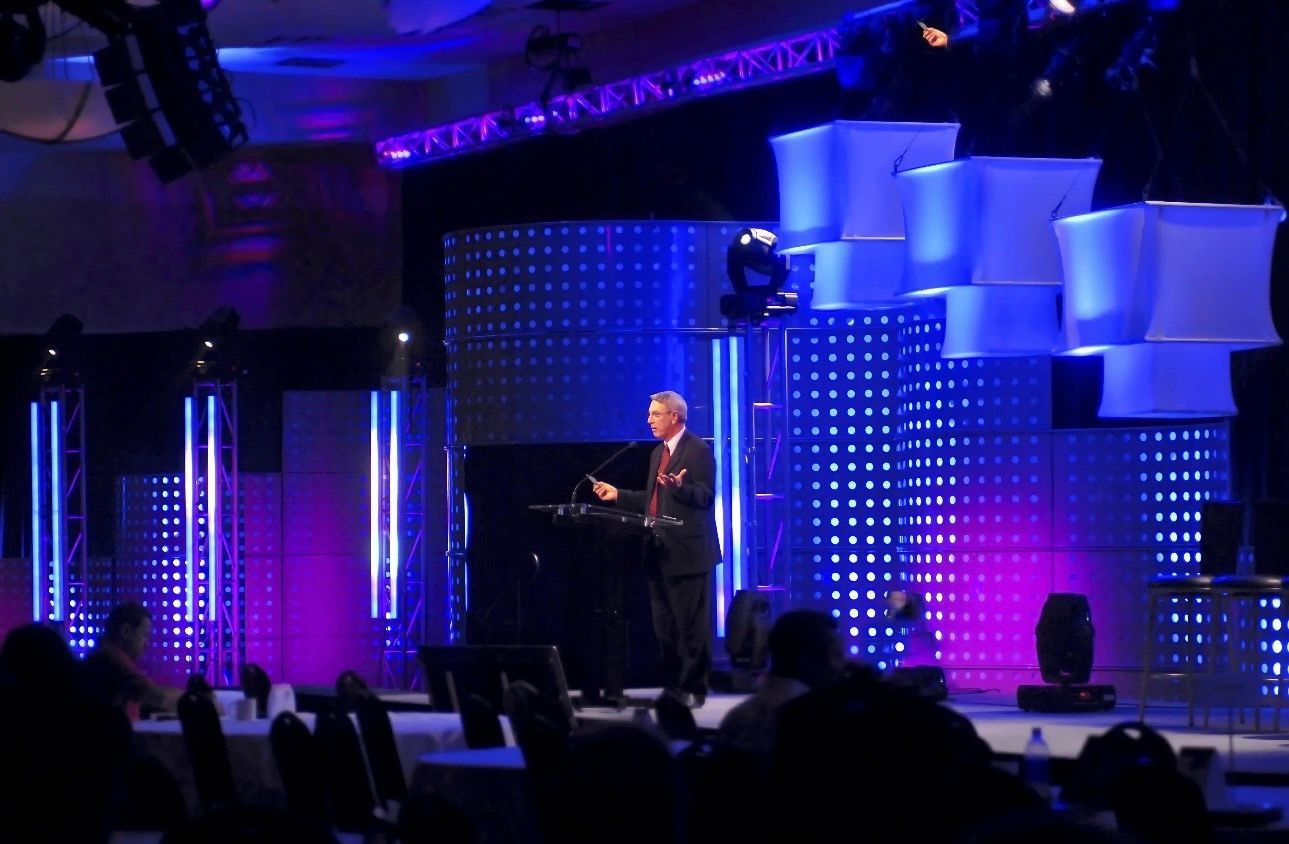
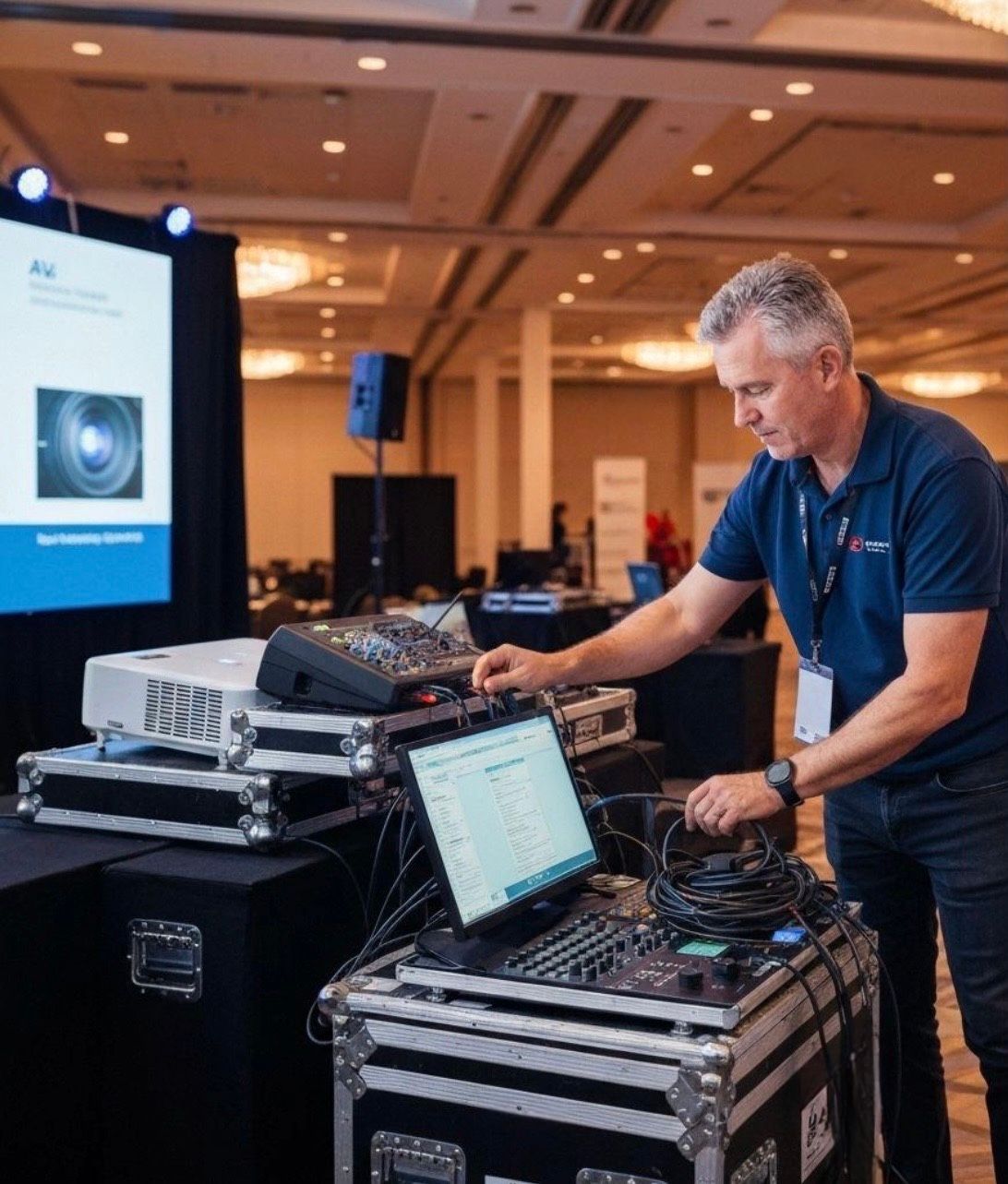
Lighting, staging, sound systems, and visual displays are not technical afterthoughts; they are the tools that translate vision into experience. Thoughtful lighting reinforces mood. Strategic staging shapes focus and energy. High-quality sound ensures clarity and immersion. Integrated visual displays extend the theme across screens and space.
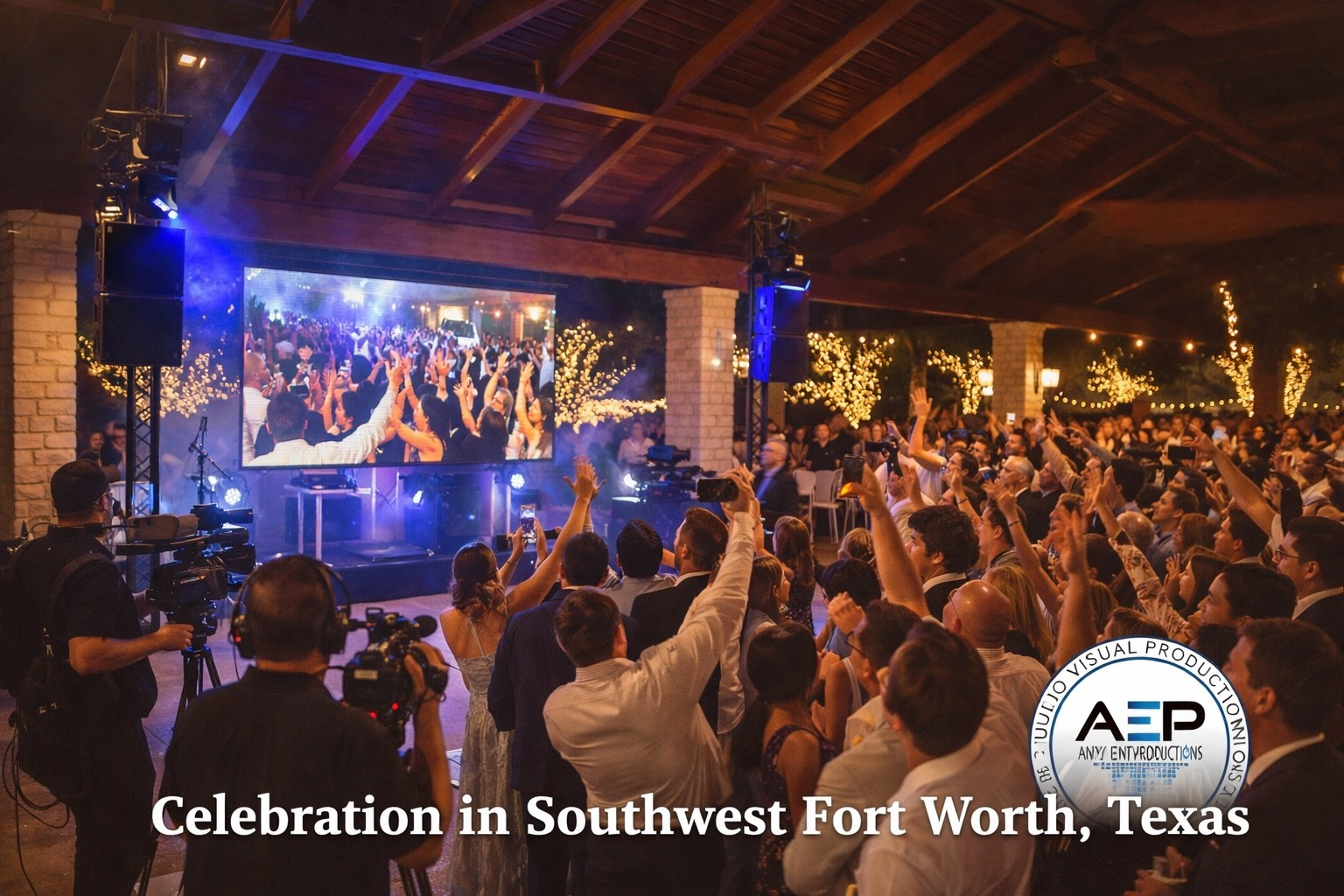
Organizations planning major events can work with professionals to execute both technical and creative elements in alignment with their vision. By collaborating with experienced production teams such as Any Event Productions, planners ensure that every technical detail supports the intended atmosphere.
Strong production is what transforms a concept into a fully immersive environment. When lighting cues, stage design, and audio transitions work seamlessly together, guests experience a cohesive narrative instead of isolated components.
How Production Elements Reinforce Theme
| Production Element | Creative Impact | Example Outcome |
|---|---|---|
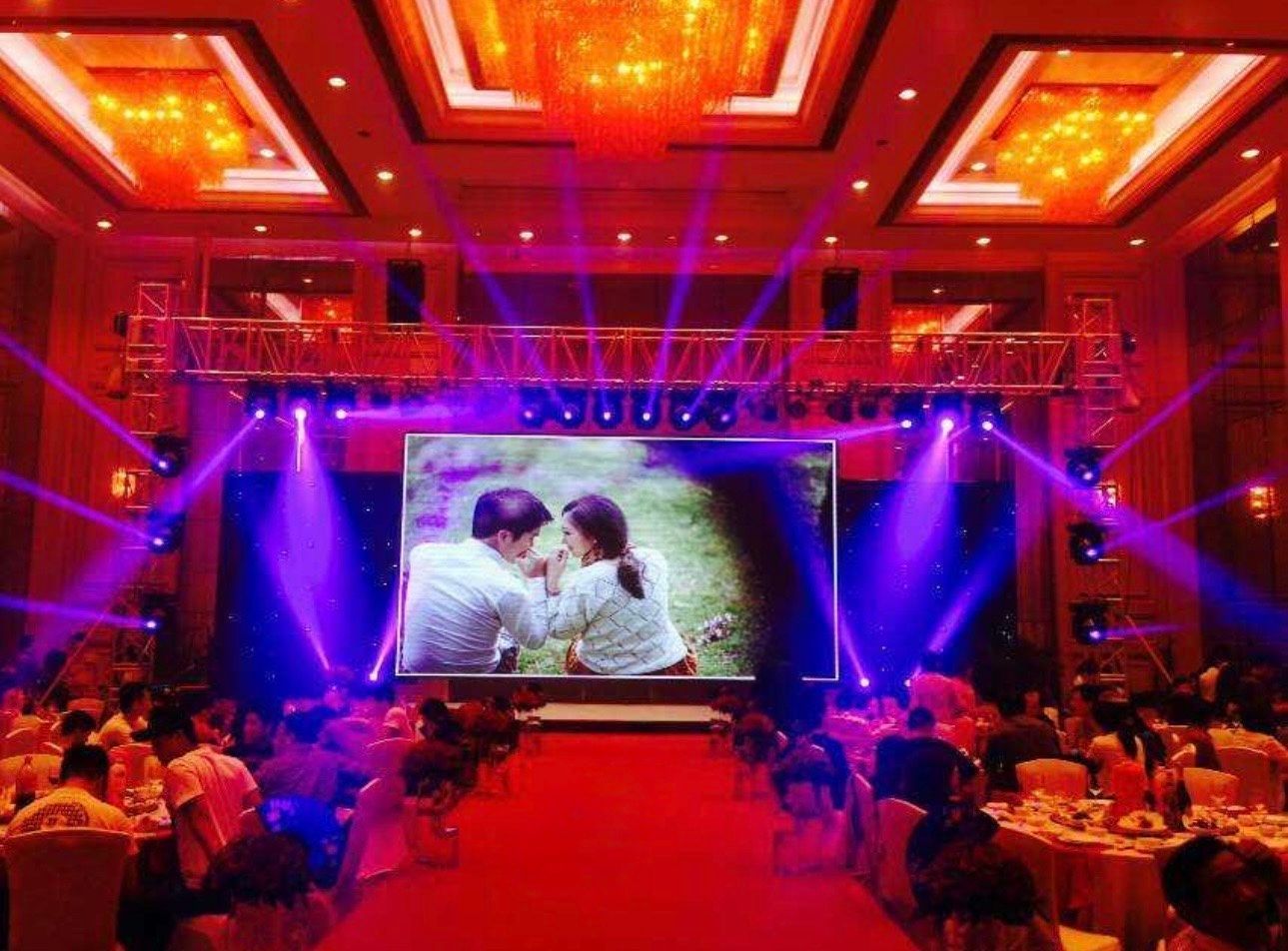
| Lighting | Sets emotional tone | Warm amber lighting for a celebratory gala |
| Staging | Directs attention | Tiered stage for keynote focus |
| Sound | Shapes immersion | Subtle ambient music during networking |
| Visual Displays | Extends branding | Motion graphics that echo event theme |
When these elements align with creative direction, the result feels intentional rather than improvised.
A Helpful Industry Resource
For planners seeking broader guidance on logistics, safety standards, and professional practices, the Event Safety Alliance offers practical tools and frameworks for responsible event management.
While creative direction shapes atmosphere and experience, operational best practices ensure the event runs smoothly and safely.
FAQ: Creative Direction and Event Success
Why is creative direction important for large events?
It ensures consistency across all visual and technical elements, creating a cohesive and memorable experience rather than a fragmented one.
When should creative direction be established?
As early as possible—ideally before venue selection and vendor contracts are finalized.
How does production support creative direction?
Production translates the vision into reality using lighting, sound, staging, and visual technology to reinforce the event’s theme.
Can strong production fix weak creative direction?
Not entirely. Production enhances a clear concept, but it cannot compensate for a lack of vision.
The Result: Cohesion Creates Impact
When creative direction leads from the beginning, every detail has purpose. The theme informs the lighting. The lighting complements the staging. The staging supports the message. The atmosphere reflects the goal.
Big events succeed not by accident, but by alignment.
Conclusion
Strong creative direction is the foundation of any successful large-scale event. It guides decisions, aligns teams, and ensures every element works toward the same outcome. When paired with thoughtful production and early visual planning, it transforms ordinary gatherings into immersive experiences. Start with a clear vision—and let everything else follow.