Professional audiovisual & event production services
Brodrick Archie • May 4, 2026
How to Plan and Host Successful Business Events in Fort Worth
Author: Any Event Productions
Published: March 25, 2026

Fort Worth event planners and local business owners know how quickly a corporate gathering can turn into event coordination stress, especially when equipment rental logistics, vendor timing, and day-of technology decisions collide. The real business event challenges often show up right when corporate event goals are supposed to be front and center, client trust, team alignment, and a polished brand moment. When event planning preparation is thin, small surprises start stealing time, attention, and confidence. Solid preparation keeps the room focused and the outcome intentional.
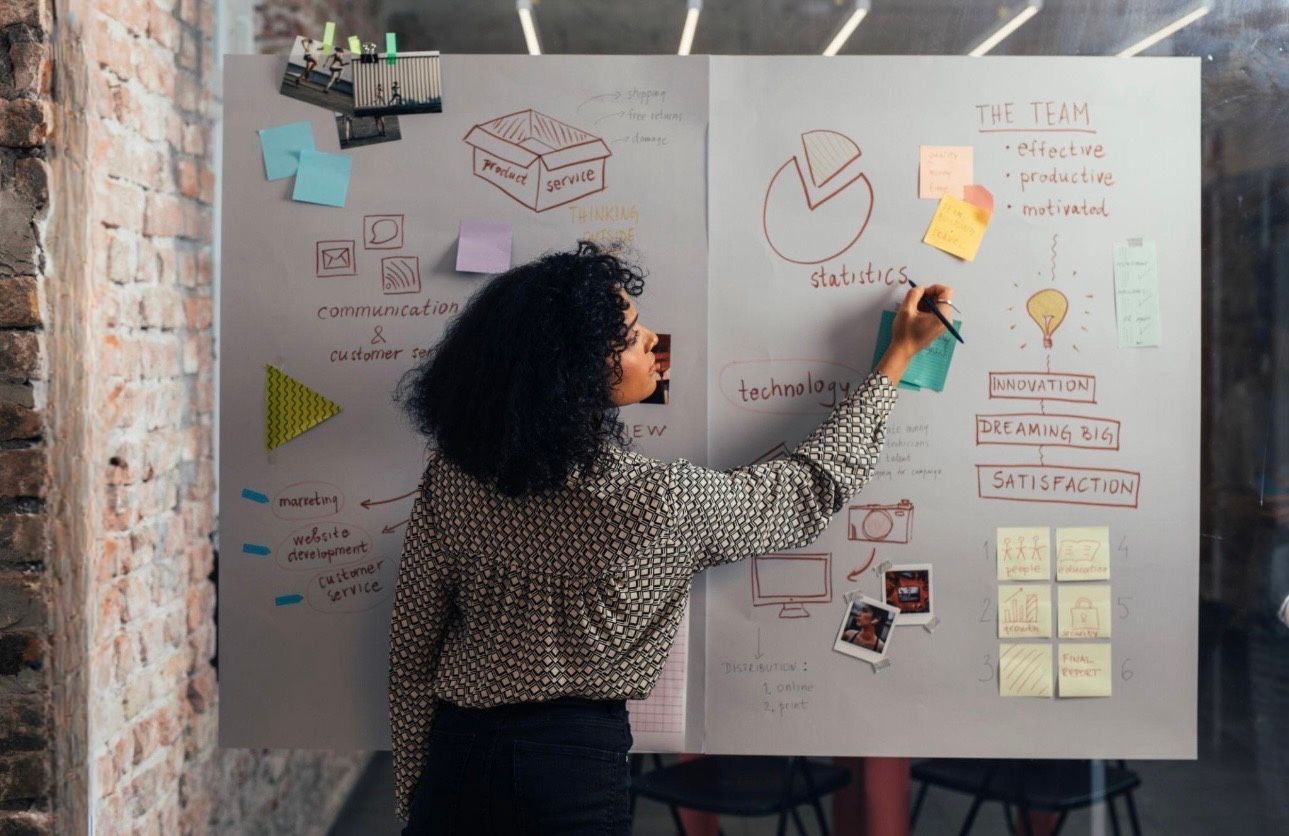
Build a Repeatable Timeline for Your Business Event
This timeline helps you turn a business event idea into a clear plan that stays on budget, fits the venue, and runs smoothly. For Fort Worth event planners who need reliable AV and event production, it reduces last-minute tech decisions by locking in requirements early and aligning vendors to one run-of-show.
- Set the goal, then define “success”
Start by writing one primary objective and 2 to 3 measurable outcomes, like qualified conversations, training completion, or leadership alignment. Usingwhat success looks like as your anchor keeps every later choice focused, including room layout, mic count, and content flow. - Build a budget that protects the experience
List must-haves first (venue, food, AV, staffing), then add nice-to-haves (upgrades, gifts, extra decor) only after core needs are covered. Add a small contingency line so you can handle surprises without cutting quality where guests will notice it most. - Choose a venue that matches your technical needs
Confirm capacity, ceiling height, load-in access, power availability, internet reliability, and any sound restrictions before signing. Ask what’s included versus required vendors, then map those answers to your AV plan so you do not end up redesigning the program around the room. - Hire and align vendors with one shared run-of-show
Book entertainment, speakers, catering, and AV based on timing requirements, not just talent or price. Useclear objectives to brief each vendor on tone, audience, and what the brand moment should feel like, then confirm who is responsible for cues, transitions, and onsite decision-making. - Negotiate, confirm, and lock logistics early
Request itemized quotes, compare scopes line by line, and negotiate on deliverables and staffing before negotiating on price. Finalize load-in times, parking, contact lists, a backup plan for audio and video, and a single schedule that every vendor signs off on.
Host Like a Pro: Promote Smart and Delegate Confidently
Once your timeline and budget are in place, your job shifts from “plan everything” to “make great decisions.” These field-tested habits keep attendance strong, protect your energy, and help your event look and feel more professional.
- Build a simple promo funnel (save the fancy stuff for later): Start with one clear event page (or PDF) with the who/what/when/where, parking details, and a single registration link. Then promote your event in three places only: email to your warm list, social posts with a consistent visual, and one offline touch (flyer at the front desk, partner handouts, signage in your lobby). Schedule it: announce 4 weeks out, remind at 2 weeks, 1 week, and 24 hours before.
- Write your “90-second pitch” and reuse it everywhere: Put your event into a short script you can paste into emails, captions, and sponsor outreach: What is it? Who is it for? What will they walk away with? Keep the first two lines benefit-driven (not agenda-driven), then add logistics. This keeps your message consistent even when multiple people are posting, and it prevents the last-minute scramble to rewrite copy.
- Delegate using a risk-and-repetition test: When you’re deciding what to hand off, ask two questions: “If this fails, does the whole event suffer?” and “Is this task repetitive enough that someone else can do it faster?” High-risk items like AV setup, lighting cues, and power planning usually belong with pros; repetitive items like check-in, placing table tents, and restocking water are great for a volunteer or assistant. Put each delegated task in writing with a definition of done, a deadline, and who signs off.
- Hire photography for marketing first, memories second: A pro photographer doesn’t just “take pictures”, they see rooms differently and know how to capture your stage, sponsor moments, and crowd energy in flattering angles. Ask for a short must-have shot list: wide room before guests, speaker on stage, branded signage, sponsor interactions, and 10–15 attendee candid shots. Those images fuel next year’s promo, sponsor recaps, and internal reports, which makes the spend easier to justify in your budget.
- Run the show from a written checklist (not your head): Create one master checklist that mirrors your timeline: pre-event, load-in, doors open, program run-of-show, and load-out. The key is visibility, print it or share it with your team so nobody has to “find you” for every decision. A written checklist/roadmap also makes it easier to delegate confidently because everyone can see what’s next and what “done” looks like.
- Use stress-reduction “buffers” that protect show day: Build 15-minute cushions into every critical moment: vendor arrival, soundcheck, doors open, and the first speaker. Keep a small “calm kit” at check-in: gaffer tape, extra batteries, extension cords, a label marker, and printed contact numbers. When something changes (it will), you’re making a controlled adjustment, not improvising from scratch.
Tight promotion, smart delegation, and a written run-of-show create the breathing room you need to handle real-world surprises, especially the technical ones like mics, screens, and last-minute file updates.
Quick Answers for Smoother Event Planning
Q: How can I choose the right venue and location to reduce stress during event planning?
A: Pick a venue that already fits your headcount and agenda so you are not forcing a room to behave. Ask for load-in rules, Wi‑Fi reliability, power locations, and an AV point of contact before you sign. A quick walk-through at the same time of day as your event helps you spot parking and noise issues early.
Q: What are practical tips for setting and sticking to an event budget without feeling overwhelmed?
A: Start with three buckets: venue, food, and production, then add a 10% cushion for surprises. Request quotes in writing with what is included and what triggers add-ons, then approve changes only through one person. It helps to remember the
USD 15 billion in 2023 event equipment rental market exists because small line items add up fast.
Q: How do I decide which event tasks to handle myself and which to leave to professionals?
A: Keep the relationship-driven pieces, like speaker prep and VIP communication, on your plate. Hand off anything that can create a show-stopping failure, like sound reinforcement, switching, lighting, recording, and onsite troubleshooting. If you cannot test it in 10 minutes, it belongs with a pro.
Q: What are effective ways to promote my event to ensure good attendance?
A: Use one clear registration destination and repeat the same short message across email, social, and partner channels. Give people a reason to commit by naming the takeaway and the start time, not just the topic. Add a practical nudge like parking guidance or a calendar link to reduce last-minute drop-off.
Q: How can reliable AV and event production services in Fort Worth help simplify equipment rental and technology setup challenges?
A: A solid team turns your wish list into a tested system: gear selection, delivery, setup, and a run-of-show that matches cues to people, not panic. You get one owner for microphones, screens, playback files, and backup plans, which keeps decisions from multiplying. Ask for a pre-event tech check and a single contact who can update slides or insert revised PDF pages, including
adding extra pages to your file, without derailing the room.
Show-Ready Event Planning Spot-Check
Because 60% of a planner’s time can disappear into logistics, this quick scan helps Fort Worth planners confirm readiness fast, especially when you are coordinating reliable AV and event production.
✔ Confirm venue access, load-in timing, and dock or elevator rules
✔ Review power, internet, and patch points with the venue contact
✔ Set a single approval path for scope changes and added costs
✔ Track budget by category and keep a 10% contingency line
✔ Lock the run-of-show with cue owners and exact start times
✔ Collect and test slides, videos, and fonts on the show laptop
✔ Schedule a pre-event tech check and onsite troubleshooting coverage
Check these off, and show day in Fort Worth feels controlled, not chaotic.
Turning Fort Worth Event Plans Into Consistently Smooth Outcomes
When you’re planning a business event in Fort Worth, the hard part isn’t the big ideas, it’s keeping all the moving pieces from slipping at the last minute. The approach that works is simple: lean on clear priorities, confirm logistics early, and use a quick spot-check so nothing important hides in the cracks. That mindset sharpens event planning key takeaways into repeatable habits, building confidence in event hosting and more successful event outcomes, with the option to lean on professional service benefits when time or complexity spikes. A successful event is mostly good decisions made early and confirmed twice. Pick one date to run your spot-check and decide whether to handle it solo or bring in support, because consistency is what turns one good event into steady growth and stronger connections.